Santana Font: A Versatile Tool for Creative Expression
The Santana font is more than just a typographic choice—it’s a statement. Designed with a unique, handmade brush style, it brings a sense of authenticity and character to any design project. Whether you're crafting a wedding invitation, designing a fashion label, or creating a menu for a boutique café, Santana offers a visual identity that feels both personal and professional.
What Makes Santana Stand Out?
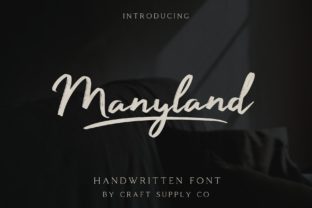
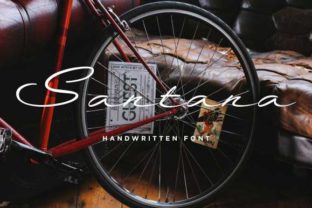
Santana is an original impression of a handmade brush font, which means each letter is crafted with the texture and variation of a real brush stroke. This gives it a handcrafted feel that digital fonts often lack. The font’s organic curves and subtle imperfections make it feel like it was drawn by hand, adding warmth and personality to any text.
Unlike many modern sans-serif or serif fonts, Santana leans into a more artistic and expressive aesthetic. It’s not about precision; it’s about emotion. This makes it ideal for projects where the goal is to evoke a specific mood or feeling—whether that’s elegance, romance, or playfulness.
Real-World Applications of Santana
Santana isn’t just for logos or invitations—it has a wide range of applications across various industries. Here are some practical use cases:
- Wedding Invitations: The romantic and elegant nature of Santana makes it perfect for wedding stationery. It adds a touch of sophistication without being too formal.
- Fashion Labels: Designers often use Santana for brand logos and product tags. Its handcrafted look aligns well with brands that emphasize individuality and artistry.
- Menu Design: Restaurants and cafes can use Santana to create menus that stand out. It adds a creative flair that complements the overall ambiance of the establishment.
- Logos and Branding: For small businesses looking to build a unique brand identity, Santana offers a distinctive visual element that helps them differentiate from competitors.
- Romantic Novels: Authors and publishers might use Santana in book covers or promotional materials to reflect the tone and style of the narrative.
- Artistic Projects: Artists and designers who work with typography or mixed media can incorporate Santana into their work to add a tactile, handmade quality.
Each of these scenarios benefits from the font’s ability to blend creativity with functionality. Whether you’re aiming for a minimalist look or something more elaborate, Santana adapts well to different design needs.
Who Benefits Most from Using Santana?
Santana appeals to a broad audience, but certain groups may find it particularly useful:
- Entrepreneurs: Small business owners can use Santana to create eye-catching branding materials that reflect their brand’s personality.
- Designers: Graphic designers and typographers will appreciate the font’s versatility and the opportunity to experiment with its unique style.
- Content Creators: Bloggers, social media influencers, and content creators can use Santana to enhance their visual content and stand out in a crowded digital space.
- Event Planners: From weddings to corporate events, Santana can help planners create visually engaging materials that resonate with their audience.
- Artists: Anyone working in the arts—whether in print, digital, or physical form—can benefit from the font’s expressive qualities.
Ultimately, Santana is a font that speaks to those who value creativity and individuality. It’s not just about what the font looks like, but how it can elevate the message or brand it represents.
Considerations Before Using Santana
While Santana is a powerful tool, it’s important to consider a few factors before incorporating it into your projects:
Readability: Although Santana has a handcrafted appearance, it may not be as readable in smaller sizes. Always test the font in the context where it will be used to ensure clarity.
Compatibility: Not all platforms or software support custom fonts equally. Make sure to check compatibility across devices and platforms, especially if you plan to use it online or in print.
License Restrictions: Some versions of Santana may come with usage limitations. Be sure to review the license agreement to understand how you can legally use the font.
Pairing with Other Fonts: To maintain balance and readability, pair Santana with a more traditional or clean font for headings and body text. This creates a visually appealing contrast that enhances the overall design.
Strengths and Limitations
Santana’s main strength lies in its ability to convey emotion and individuality. It’s a great choice for projects that require a personal touch or artistic flair. However, its unique style may not always be appropriate for every context.
For instance, while Santana works well for invitations and branding, it may not be suitable for technical documents or formal reports where clarity and professionalism are paramount. In such cases, a more structured font would be better suited.
Another limitation is that Santana may not be ideal for long-form text due to its decorative nature. It’s best used for short phrases, headlines, or accents rather than entire paragraphs.
Despite these considerations, Santana remains a valuable addition to any designer’s toolkit. Its versatility allows it to adapt to a wide range of uses, making it a go-to choice for those who want to infuse their designs with character and creativity.