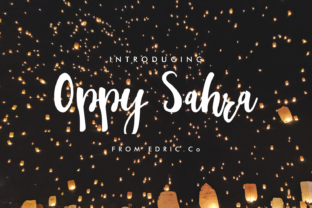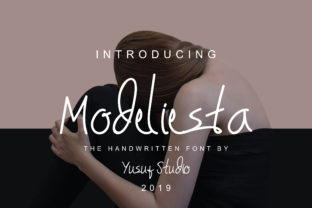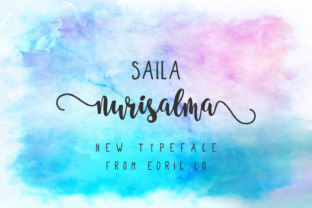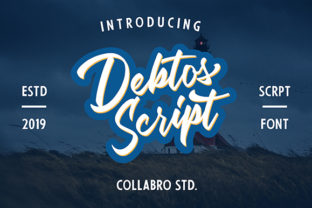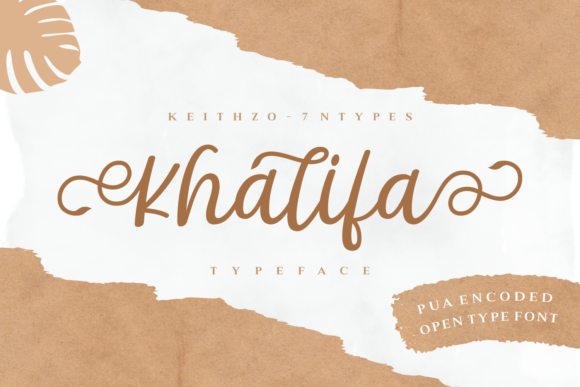
Khalifa: A Handwritten Font with Professional Flair
In the world of typography, the right font can make all the difference. Whether you're designing a logo, crafting a website, or preparing a presentation, choosing the correct typeface is crucial. Enter Khalifa, a stunning handwritten font that brings a unique blend of elegance and professionalism to any design project.
Khalifa was created with a specific purpose in mind: to offer designers a versatile option that bridges the gap between casual handwriting and formal typography. This font is not just about aesthetics; it's about functionality and adaptability. Its design allows it to be used in both digital and print formats without losing its character or clarity.
The Design Philosophy Behind Khalifa
Typography is more than just letters on a page. It’s about communication, emotion, and visual storytelling. Khalifa embodies this philosophy by combining the warmth of handcrafted elements with the precision of professional design.
The font's creators focused on creating a balance between fluidity and structure. Each letterform is carefully crafted to maintain readability while still retaining a sense of individuality. This makes Khalifa suitable for a wide range of applications, from branding materials to social media content.
One of the standout features of Khalifa is its ability to convey personality without being too informal. Unlike many other handwritten fonts that may come across as playful or unprofessional, Khalifa strikes a perfect middle ground. It’s ideal for those who want to add a touch of creativity to their designs without sacrificing professionalism.
Why Choose Khalifa for Your Projects?
When selecting a font, it's important to consider how well it fits your overall design goals. Khalifa offers several advantages that make it a top choice for designers across various industries:
- Readability: Despite its handwritten style, Khalifa ensures excellent legibility at different sizes and resolutions.
- Adaptability: The font works well in both digital and print environments, making it a versatile tool for any designer.
- Visual Appeal: The elegant curves and consistent stroke widths give Khalifa a refined look that stands out in any design.
- Professionalism: Unlike some other handwritten fonts, Khalifa maintains a level of sophistication that aligns with modern design standards.
- Customization: The font supports multiple weights and styles, allowing for greater flexibility in design choices.
Whether you're working on a personal project or a corporate identity, Khalifa provides the necessary tools to create visually compelling content that resonates with your audience.
Applications of Khalifa in Modern Design
Designers today are constantly looking for fonts that can adapt to different contexts and purposes. Khalifa has found its place in a variety of design scenarios, including:
Branding and Logos
Many brands use handwritten fonts to convey authenticity and approachability. Khalifa is an excellent choice for logos that aim to reflect creativity and professionalism simultaneously. It adds a human touch to otherwise sterile brand identities.
Marketing Materials
From brochures to email templates, Khalifa can elevate the visual appeal of marketing materials. Its clean lines and elegant curves make it perfect for headers, call-to-action buttons, and signature sections.
Website Content
While sans-serif fonts are commonly used for body text, Khalifa can be used effectively for headlines, quotes, and emphasis. It adds a unique flair to web content without overwhelming the reader.
Social Media Graphics
With the rise of social media, the demand for eye-catching visuals has never been higher. Khalifa is ideal for creating engaging posts, infographics, and promotional graphics that stand out in a crowded digital landscape.
Considerations When Using Khalifa
Before incorporating Khalifa into your design workflow, there are a few key considerations to keep in mind:
Font Licensing
Always ensure that you have the appropriate license for using Khalifa in your projects. Some fonts are free for personal use but require purchase for commercial applications. Check the font's licensing terms to avoid any legal issues.
Compatibility
While Khalifa is designed to work across platforms, it's always a good idea to test it in different environments. Ensure that it renders correctly on both desktop and mobile devices, especially if you're planning to use it for web-based projects.
Contrast and Color
Because Khalifa has a handwritten feel, it's important to pair it with complementary colors and backgrounds. High contrast can enhance readability, while subtle color choices can add depth and visual interest.
Consistency
When using Khalifa in larger design projects, maintain consistency in its application. Use it strategically to highlight key elements rather than overusing it throughout the entire design.
How to Get Started with Khalifa
If you're interested in using Khalifa for your next project, here are a few steps to get started:
- Find a Reliable Source: Look for trusted font repositories or design marketplaces where Khalifa is available. Make sure the source is reputable and offers clear licensing information.
- Download and Install: Once you've obtained the font, download and install it on your device. Most fonts can be installed through your operating system's font manager.
- Test in Different Contexts: Experiment with Khalifa in various design settings to see how it performs. Try using it in headings, body text, and graphical elements to find the best fit.
- Use It Strategically: Don’t use Khalifa everywhere. Save it for special sections like headers, signatures, or quotes to maintain a balanced design.
- Seek Feedback: Share your designs with others to get feedback on how Khalifa looks and feels in different contexts. This can help you refine your approach and improve the overall impact of your work.
By following these steps, you can effectively integrate Khalifa into your design toolkit and take advantage of its unique qualities to create more engaging and professional-looking content.