Markwell: A Signature Font for Authentic Design
When it comes to design, the right font can make all the difference. Whether you're crafting a logo, creating a social media post, or designing a brochure, typography plays a crucial role in how your message is received. Enter Markwell, an original handwritten script that brings a unique blend of elegance and authenticity to any project. This font isn't just another option in the typographic toolkit—it's a tool that can elevate your work with a personal touch.
The Unique Appeal of Markwell
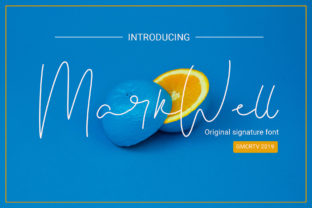
Markwell stands out because it’s not just a font; it's a signature. Designed as a handwritten script, it offers a natural, flowing aesthetic that feels both modern and timeless. Unlike many digital fonts that mimic traditional handwriting, Markwell is crafted with intention, ensuring each stroke feels deliberate and expressive.
This font is ideal for those who want to add a sense of character without sacrificing readability. It strikes a balance between being elegant and approachable, making it versatile enough for a wide range of applications—from branding to creative content creation.
Why Markwell Matters for Designers
For professionals in creative fields, the ability to communicate effectively through visual design is essential. Markwell helps designers convey emotion, personality, and authenticity in their work. Its fluid lines and organic curves create a sense of movement that can draw the eye and engage the viewer.
Consider a small business owner launching a new brand. The name of the business needs to stand out, but it also needs to feel trustworthy. Markwell can help achieve both. By using this font on business cards, website headers, or promotional materials, the owner can create a cohesive brand identity that feels personal and genuine.
Similarly, educators and bloggers may find value in using Markwell for titles or headings. It adds a touch of creativity without overwhelming the reader, making the content more inviting and memorable.
Practical Benefits of Using Markwell
One of the most significant advantages of Markwell is its versatility. It works well across different mediums, including print and digital formats. This makes it a valuable asset for creators who need a font that can adapt to various platforms and purposes.
Another benefit is the time it saves. Instead of searching for multiple fonts to match a desired style, Markwell offers a single, cohesive solution. This efficiency can be especially helpful for freelancers or entrepreneurs who are juggling multiple projects at once.
Additionally, Markwell supports creativity by encouraging experimentation. Its unique design allows for variations in spacing, lettering, and presentation, giving users the freedom to personalize their work while maintaining professionalism.
Who Can Benefit Most from Markwell?
Markwell is particularly beneficial for individuals and businesses looking to create a strong visual identity. This includes:
- Entrepreneurs: Building a brand that feels authentic and relatable.
- Marketers: Crafting campaigns that resonate emotionally with audiences.
- Bloggers and Content Creators: Adding a personal touch to blog posts, newsletters, or social media graphics.
- Freelancers and Designers: Enhancing client proposals, presentations, and portfolio pieces.
- Small Business Owners: Creating marketing materials that stand out in a competitive market.
These groups often rely on typography to communicate their values and connect with their audience. Markwell provides a reliable and stylish option that aligns with these goals.
Real-World Use Cases
Imagine a local bakery owner who wants to revamp their packaging. They’re looking for something that feels warm, welcoming, and handcrafted. By using Markwell on their labels, they can create a sense of community and craftsmanship that resonates with customers.
Or consider a freelance graphic designer working on a client project. They need a font that complements the overall design but doesn’t overpower it. Markwell can serve as the perfect accent, adding a subtle yet meaningful detail that enhances the final product.
Even educators can use Markwell to make lesson plans or handouts more engaging. A title written in this font can catch students' attention and set the tone for the content that follows.
Limitations and Considerations
While Markwell has many strengths, it’s important to recognize that no font is a one-size-fits-all solution. For instance, in highly formal or technical contexts, a more structured font might be more appropriate. Markwell’s handwritten nature could potentially reduce readability in certain situations, especially when used in large quantities or at smaller sizes.
Additionally, some users may prefer a more consistent or uniform look, which Markwell’s organic style might not provide. In such cases, it’s worth considering other fonts that offer similar benefits while maintaining a more standardized appearance.
Ultimately, the decision to use Markwell should be based on the specific needs of the project and the intended audience. When used thoughtfully, it can enhance communication, support creativity, and strengthen the visual impact of any design.
Final Thoughts
Typography is more than just choosing a font—it’s about conveying meaning, emotion, and identity. Markwell offers a unique opportunity to do just that. With its elegant design and authentic feel, it’s a powerful tool for anyone looking to add a personal touch to their work.
Whether you're a professional designer, a small business owner, or a hobbyist, Markwell can help you create designs that feel more connected, more creative, and more meaningful. By understanding its strengths and limitations, you can make informed decisions that align with your goals and enhance your overall design outcomes.