Porcelain: The Hand-Lettered Font That Adds a Personal Touch to Your Branding
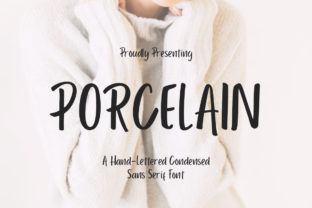
In the ever-evolving world of design and branding, typography plays a crucial role in shaping identity and communication. Among the many fonts available, Porcelain stands out as a unique and versatile option that blends elegance with personality. Designed as a hand-lettered condensed sans serif font with a subtle dip-pen texture, Porcelain brings a handwritten feel to digital and print media without sacrificing clarity or professionalism.
The Essence of Porcelain: A Blend of Artistry and Functionality
Porcelain is more than just another font—it’s a visual statement. Its hand-lettered style mimics the natural flow of handwriting, giving it a personal touch that feels authentic and relatable. The subtle dip-pen texture adds character, making each letter appear as if it were crafted by hand. This attention to detail makes Porcelain ideal for projects where a human element is desired, such as wedding designs, social media posts, and product packaging.
As a condensed sans serif font, Porcelain maintains readability even at smaller sizes, which is essential for modern design applications. Whether used in logos, advertisements, or watermarks, its clean lines and organic curves make it adaptable to various creative contexts. This balance between structure and spontaneity is what sets Porcelain apart in today’s design landscape.
Why Porcelain Is Gaining Attention in the Design Industry
Designers and brands are increasingly looking for fonts that reflect authenticity and emotional resonance. In an age where digital content is abundant, the demand for typography that feels genuine and unique has never been higher. Porcelain meets this need by offering a visually appealing alternative to standard sans serif fonts.
Its relevance is also tied to broader industry trends. As consumers become more discerning, they seek brands that communicate not just through products but through aesthetics. Fonts like Porcelain help create a cohesive brand identity that feels personal and memorable. This aligns with the growing emphasis on brand storytelling and visual identity in marketing strategies.
Trends Driving the Popularity of Handcrafted Typography
- Minimalism and Simplicity: While minimalism often favors clean, geometric fonts, Porcelain offers a refined alternative that still maintains a sense of warmth and individuality.
- Handmade Aesthetics: There’s a rising trend toward handmade and artisanal design elements, which Porcelain supports through its hand-lettered style.
- Personalization: Consumers appreciate personalized experiences, and typography can play a key role in creating that connection. Porcelain helps designers craft messages that feel more human and less corporate.
- Social Media Influence: Platforms like Instagram and Pinterest have made visual appeal a priority. Fonts like Porcelain enhance the aesthetic of social media content, making them more engaging and shareable.
Practical Applications of Porcelain in Creative Workflows
Porcelain is not just a font—it’s a tool that can be integrated into a variety of creative workflows. Here are some practical examples of how it can be used effectively:
Branding and Logo Design
For startups and small businesses, a strong brand identity is essential. Porcelain can serve as the foundation for a logo, adding a touch of personality that differentiates a brand from competitors. Its versatility allows it to work well with both modern and vintage-inspired brand aesthetics.
Social Media and Digital Content
With the rise of digital content creation, typography has become a key component of visual storytelling. Porcelain is perfect for headlines, captions, and call-to-action buttons. Its readability and stylish appearance make it suitable for both professional and personal content.
Product Packaging and Labels
Product packaging is a powerful way to connect with customers. Using Porcelain on labels or tags can elevate the perceived value of a product while maintaining a friendly and approachable tone. It works especially well for lifestyle and artisanal products.
Photography and Watermarks
Photographers and content creators often use watermarks to protect their work. Porcelain’s subtle texture and elegant style make it an excellent choice for watermarking images without overpowering the visuals.
Invitations and Stationery
Weddings, events, and personal projects benefit greatly from the charm of Porcelain. Its handwritten feel is ideal for invitations, thank-you notes, and other stationery items, adding a personal touch that resonates with recipients.
How Porcelain Fits Into Modern Design Trends
As design trends continue to evolve, there’s a clear shift toward more expressive and emotionally driven visuals. Porcelain aligns perfectly with this movement by offering a font that feels both contemporary and timeless. Its ability to blend functionality with artistry makes it a valuable asset in both traditional and digital design environments.
Moreover, the increasing adoption of AI and automation in design workflows doesn’t diminish the importance of human touch. Fonts like Porcelain ensure that even when design processes are streamlined, the final output retains a sense of individuality and craftsmanship.
Conclusion: Embracing the Beauty of Handcrafted Typography
Porcelain is more than just a font—it’s a reflection of the growing desire for authenticity and creativity in design. Whether you’re a freelancer, marketer, or brand strategist, incorporating Porcelain into your projects can elevate your message and create a lasting impression. Its unique style and adaptability make it a powerful tool for anyone looking to stand out in a competitive market.
As the design industry continues to embrace handcrafted aesthetics, fonts like Porcelain will remain relevant. They offer a bridge between the digital and the personal, proving that even in a world dominated by technology, the human element is still deeply valued.