The Rise of Antefand: How a Modern Calligraphy Font is Shaping Creative Design
In an era where design is more than just aesthetics—it's about storytelling, branding, and emotional connection—fonts have become powerful tools for communication. Among the growing number of typefaces available today, Antefand stands out as a modern calligraphy font that’s capturing the attention of designers, entrepreneurs, and creatives across industries. Its unique blend of elegance and approachability makes it a versatile choice for everything from wedding invites to digital marketing campaigns.
What Is Antefand?
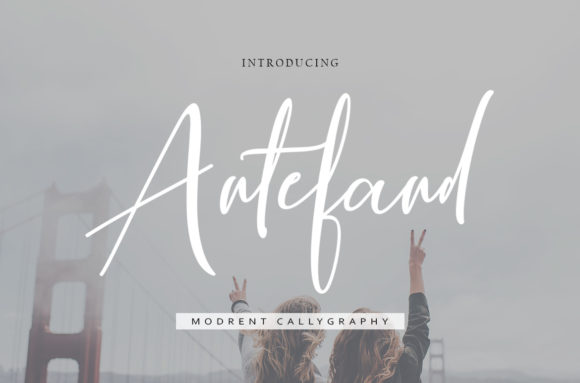
Antefand is a contemporary calligraphy font designed with a natural, handwritten feel. It combines the fluidity of traditional calligraphy with the clean lines of modern typography, making it both visually striking and highly functional. Unlike many other calligraphy fonts that can feel overly ornate or difficult to read, Antefand maintains readability while still offering a personal, artistic touch.
The font was developed with a focus on usability in both print and digital formats. Its open letterforms and consistent stroke weight allow it to work well in various sizes and contexts. Whether you're designing a poster, a logo, or a social media graphic, Antefand offers a balance between creativity and clarity.
Why Antefand Matters in Today’s Design Landscape
As consumers become more discerning and brands strive to differentiate themselves through visual identity, the demand for distinctive yet accessible typefaces has never been higher. Antefand fits perfectly into this trend by offering a fresh alternative to the usual suspects in the world of typography.
One of the key reasons people are paying attention to Antefand is its ability to convey warmth and personality without sacrificing professionalism. In an age where digital communication often feels impersonal, fonts like Antefand help bridge the gap between technology and human expression. This makes it particularly appealing for businesses looking to build emotional connections with their audiences.
Aligning with Industry Trends
The rise of Antefand also reflects broader shifts in the creative and business worlds. For instance, the growing popularity of minimalism and handcrafted aesthetics has led many designers to seek out fonts that feel authentic and unpolished. Antefand meets this demand by offering a modern take on handwritten style that doesn’t compromise on quality or legibility.
Additionally, the increasing use of typography in branding strategies highlights the importance of choosing the right font to reflect a brand’s values. Antefand is ideal for brands that want to communicate creativity, approachability, and sophistication—all at once.
Practical Applications of Antefand
From small businesses to large corporations, Antefand has found a home in a wide range of applications. Here are a few examples:
- Wedding Invites: The elegant, handwritten style of Antefand adds a personal touch to wedding stationery, making each invitation feel unique and heartfelt.
- Magazines and Publications: Designers use Antefand to add visual interest to headlines and quotes, enhancing the overall aesthetic of the publication.
- Marketing Materials: Brands leverage Antefand for logos, social media posts, and promotional materials to create a cohesive and memorable visual identity.
- Product Packaging: The font’s versatility makes it suitable for packaging designs that aim to stand out on store shelves while maintaining a premium feel.
- Digital Content: With its excellent rendering in both print and web formats, Antefand is well-suited for websites, email newsletters, and online ads.
These practical uses demonstrate how Antefand is not just a font—it’s a tool for storytelling and brand building in the digital age.
How Antefand Meets Evolving Design Needs
Design workflows are constantly evolving, driven by new technologies, consumer expectations, and the need for faster, more efficient processes. Antefand is well-positioned to meet these changing needs by offering a font that is both visually compelling and easy to integrate into various design platforms.
For example, with the rise of mobile-first design and responsive web development, the ability to scale fonts without losing clarity is crucial. Antefand excels in this area, ensuring that text remains readable and visually appealing across all devices and screen sizes.
Moreover, the growing emphasis on user experience (UX) in digital design means that typography plays a significant role in shaping how users interact with a brand. Antefand supports this by providing a font that enhances readability, accessibility, and emotional engagement—key factors in successful UX design.
Antefand and the Future of Typography
As we move further into the future, the role of typography in design will continue to expand. Fonts like Antefand are at the forefront of this evolution, bridging the gap between traditional craftsmanship and modern digital needs.
With the increasing integration of AI and machine learning in design tools, the potential for personalized typography is vast. Antefand is already being used in creative workflows that combine human intuition with technological precision, allowing designers to experiment with new ideas and push the boundaries of what’s possible.
Ultimately, Antefand represents a shift in how we think about fonts—not just as static elements, but as dynamic tools that can shape narratives, influence perceptions, and drive engagement in an increasingly visual world.
Conclusion
Antefand is more than just a font; it’s a reflection of the evolving relationship between design, technology, and human expression. Its unique blend of elegance and functionality makes it a valuable asset for professionals, creators, and businesses looking to stand out in a crowded market.
Whether you're designing for print, digital, or physical products, Antefand offers a versatile and expressive solution that aligns with current trends and future possibilities. As the design landscape continues to evolve, fonts like Antefand will play an increasingly important role in shaping how we communicate, connect, and create.