Worst Letters: A Strategic Tool for Purposeful Branding and Communication
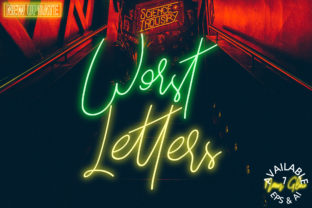
When it comes to branding, communication, and personal expression, the visual language we choose can significantly impact how we are perceived. Worst Letters is a new monoline script font that offers more than just aesthetic appeal—it provides a strategic tool for those who want to make intentional, impactful choices in their creative and professional lives.
A Font with Purpose
Worst Letters is designed to feel natural, unpolished, and human. Unlike many fonts that aim for perfection, this script style embraces imperfection, which can be a powerful statement. It’s not about creating something that looks flawless but rather something that feels authentic and relatable. This characteristic makes it particularly useful for individuals and businesses that want to convey warmth, approachability, and personality through their visual identity.
For entrepreneurs, marketers, and creators, Worst Letters can serve as a subtle yet effective way to differentiate themselves in a crowded market. By choosing a font that reflects their brand’s voice, they signal to their audience that they are real, genuine, and committed to authenticity. In an era where consumers value transparency and connection, this can be a significant advantage.
Strategic Use Cases
The right font can influence everything from first impressions to long-term brand equity. Here are some strategic use cases for Worst Letters:
- Signed Documents: Whether it's a contract, a letter of intent, or a thank-you note, using Worst Letters can add a personal touch that reinforces trust and sincerity.
- Branding Materials: From business cards to social media headers, Worst Letters can help create a cohesive visual identity that aligns with your brand’s tone and values.
- Marketing Assets: Social media posts, email signatures, and promotional materials can all benefit from the unique character of Worst Letters, helping to stand out in digital spaces.
- Personal Projects: For bloggers, educators, and freelancers, using Worst Letters can enhance the visual appeal of their work while maintaining a consistent and recognizable style.
Each of these scenarios requires thoughtful consideration. The key is to ensure that Worst Letters aligns with your overall messaging and goals. A font should never be chosen based on aesthetics alone; it must support the purpose and context in which it is used.
How to Approach Worst Letters Strategically
Before incorporating Worst Letters into your projects, take time to evaluate your objectives. Ask yourself:
- What message do I want to convey?
- Who is my audience, and what do they value?
- Does this font reflect my brand’s personality and mission?
- Will it enhance clarity, readability, and engagement?
These questions help ensure that your choice of font is intentional rather than random. Worst Letters is most effective when used in contexts where its natural, handwritten quality complements the content rather than distracts from it.
For example, a small business owner might use Worst Letters in their logo to create a sense of community and familiarity. However, if the business operates in a formal sector, such as finance or law, the same font might not be appropriate. Understanding your audience and the expectations associated with your industry is crucial in making informed design decisions.
Risks of Using Worst Letters Without Context
While Worst Letters has clear advantages, it also carries risks if not used thoughtfully. One of the main concerns is misalignment between the font and the intended message. A font that is too casual or informal may not be suitable for professional or high-stakes environments. Conversely, using a font that is too stylized or overly decorative can reduce readability and accessibility.
Another risk is overreliance on the font without considering other elements of design. Worst Letters is a powerful tool, but it should be part of a broader strategy that includes color, layout, typography hierarchy, and visual consistency. Neglecting these aspects can lead to a disjointed brand experience that fails to resonate with your audience.
Additionally, there is a risk of underutilizing the font’s potential. Worst Letters is best suited for specific applications where its unique qualities can shine. Using it in every project or across all platforms may dilute its impact and make it less effective in the long run.
Practical Tips for Success
To maximize the effectiveness of Worst Letters, consider the following practical tips:
- Define Your Goals: Before using Worst Letters, clearly define what you hope to achieve with it. Is it to build trust, create a memorable brand, or enhance personal connections?
- Test Across Platforms: Ensure that the font works well in different formats, including digital and print, and across various screen sizes and resolutions.
- Combine Thoughtfully: Pair Worst Letters with complementary fonts to maintain balance and readability, especially in multi-font designs.
- Stay Consistent: Use Worst Letters consistently within your brand’s visual identity to reinforce recognition and trust.
- Seek Feedback: Get input from others to ensure that the font aligns with your intended message and resonates with your target audience.
By approaching Worst Letters with intention and strategy, you can unlock its full potential and create meaningful, lasting impressions.
Long-Term Value and Decision-Making
Ultimately, the success of any design choice depends on how well it supports your long-term goals. Worst Letters is not just a font—it’s a tool for storytelling, branding, and connection. When used strategically, it can contribute to better decision-making, improved communication, and stronger outcomes.
As you move forward, remember that the best results come from thoughtful planning and intentional execution. Worst Letters can be a valuable asset in your toolkit, but its effectiveness hinges on how you choose to use it. By aligning your choices with your vision, values, and audience, you can create a powerful, purpose-driven presence in both your personal and professional life.