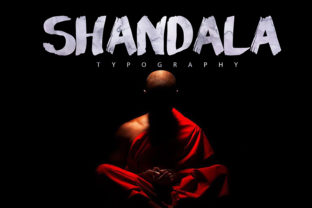
Shandala: The Art of Handmade Brush Font Design
When it comes to typography, the choice of font can make or break a design. Shandala, a hard handmade brush font, stands out for its unique character and visual appeal. Whether you're a designer, content creator, or business owner looking to elevate your visuals, understanding what Shandala offers can help you decide if it's the right fit for your project.
The Essence of Shandala
Shandala is more than just a font—it’s a reflection of craftsmanship and artistry. As a hard handmade brush font, it combines the raw energy of brush strokes with the precision of digital typography. Each character is meticulously crafted by hand, giving it a distinctive texture and depth that feels alive on the page.
Unlike many digital fonts that are designed for consistency and scalability, Shandala brings a sense of warmth and individuality. This makes it particularly appealing for creative projects where personality and uniqueness are key.
Where Can You Use Shandala?
The versatility of Shandala means it can be used in a variety of contexts. Here are some common applications:
- Graphic Design: Ideal for logos, posters, and branding materials that require a bold, artistic touch.
- Web Design: When used carefully, Shandala can enhance website headers, call-to-action buttons, and other focal points.
- Print Media: From brochures to packaging, Shandala adds a tactile feel that stands out in physical formats.
- Artistic Projects: Whether it's a canvas painting, a mixed media piece, or a digital artwork, Shandala can serve as a powerful visual element.
Its bold and expressive nature makes it especially well-suited for main designs where impact is essential. However, it's important to consider how it fits within the overall composition.
Strengths of Shandala
One of the most compelling aspects of Shandala is its ability to convey emotion and energy. The brush-like texture gives each letter a sense of movement, making it perfect for designs that aim to evoke creativity or passion.
Additionally, Shandala is highly customizable. While it has a distinct style, it can be adapted to suit different color schemes and design themes. This flexibility allows creators to experiment and find the best way to integrate it into their work.
For professionals and business owners, using Shandala can help differentiate their brand from competitors. It adds a layer of authenticity and craftsmanship that resonates with audiences who value quality and originality.
Considerations and Limitations
While Shandala offers many benefits, it’s not without its limitations. One of the primary considerations is readability. Because of its brush stroke style, Shandala may not be ideal for long-form text or small body copy. It’s best suited for headings, titles, and short phrases.
Another factor to keep in mind is compatibility. Since Shandala is a handmade font, it may not render perfectly across all platforms or devices. Testing is crucial to ensure that the final output maintains its intended look and feel.
Additionally, Shandala requires a certain level of design skill to use effectively. It’s not a one-size-fits-all solution. Creators should be mindful of how it interacts with other elements in their design to avoid overwhelming the viewer.
Real-World Applications
To better understand how Shandala can be applied in practice, let’s explore a few real-world scenarios:
- Logo Design: A boutique clothing brand might use Shandala for its logo to reflect a handcrafted, artisanal aesthetic.
- Event Invitations: A wedding planner could incorporate Shandala into invitations to create a romantic and elegant vibe.
- Product Packaging: A local artisan selling handmade candles might use Shandala on product labels to emphasize the handmade quality of their goods.
- Digital Marketing: A social media influencer could use Shandala in their posts to add a personal and artistic touch to their content.
Each of these examples highlights how Shandala can be tailored to meet specific design goals while maintaining its unique character.
Evaluating Suitability for Your Needs
Before deciding to use Shandala, it’s important to evaluate whether it aligns with your project’s requirements. Consider the following questions:
- Does the design need to convey a sense of creativity and individuality?
- Is the font suitable for the intended audience and platform?
- Will it complement other design elements without overpowering them?
- Can it be used effectively in both print and digital formats?
If the answer to these questions is yes, then Shandala could be an excellent choice for your next project.
Conclusion
In conclusion, Shandala is a powerful tool for designers, creators, and business owners looking to add a unique and artistic touch to their work. Its handmade brush style offers a level of creativity and authenticity that is hard to replicate with standard fonts.
However, it’s important to use Shandala thoughtfully. Understanding its strengths, limitations, and appropriate applications will help you make the most of this distinctive font. Whether you're designing a logo, creating a website, or producing print materials, Shandala can be a valuable asset when used correctly.
Ultimately, the key to success lies in knowing when and how to use Shandala—and that’s where the true art of typography begins.